AI infrastructure

What is gmi cloud, and what does it do?

GMI Cloud is an AI infrastructure provider associated with cloud GPU computing. This Gmicloud guide explains the general workflow without assuming that every model, deployment option, or access method is available to every visitor.

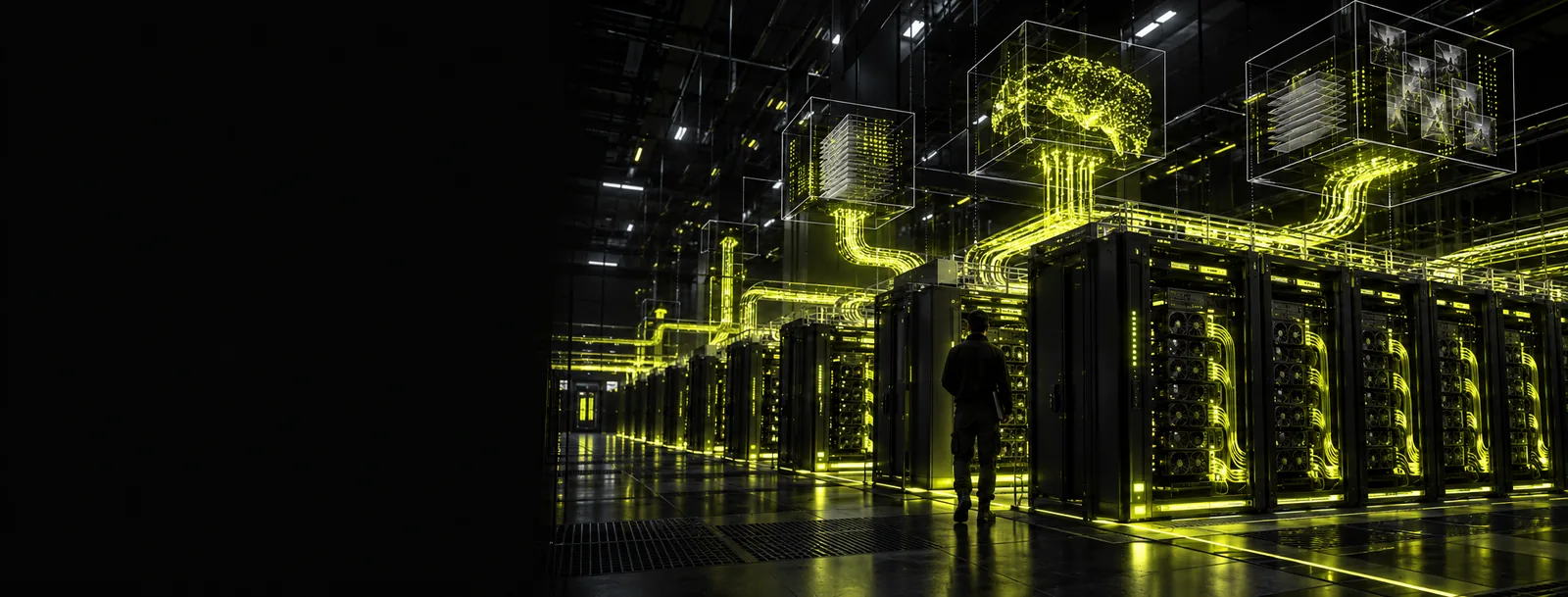
Gmicloud visual representing connected AI computing infrastructure

Where this link takes you

gmicloud.online is an independent guide, not the official GMI Cloud site. The action links open Synexa, a separate hosted AI model API. They do not open a GMI Cloud account, reserve a GPU, transfer an input, or guarantee a free allowance. Check the destination’s live catalog and terms before proceeding.

Browse Synexa models

how it works

The useful distinction is between obtaining compute capacity and getting a finished AI result. The steps between those outcomes depend on the service and workload.

  1. 1

    Define the workload

    Decide whether the job is model training, inference, experimentation, or another GPU-intensive task. That choice determines what software, memory, and deployment approach you need.

  2. 2

    Prepare the environment

    Match the workload to a suitable computing environment and install or configure the required model and dependencies. Cloud infrastructure supplies a place to run work, not automatically a complete application.

  3. 3

    Run and inspect

    Submit inputs, monitor the job, and check its outputs and resource use. If results or performance miss the goal, revise the configuration or the workload before treating it as production-ready.

What a workload needs

These are workload-planning requirements, not a claim that a particular GMI Cloud interface asks for each item.

Required Optional
  • A clearly defined AI task and a way to judge its output

  • A model or software stack suited to that task

  • Input data you are permitted to process

  • A plan for checking resource needs and service terms

  • A deployment plan if other people must use the resultoptional

can / cannot do

Think of GMI Cloud as infrastructure for running work, not as a promise that every step from model selection to a finished product happens automatically.

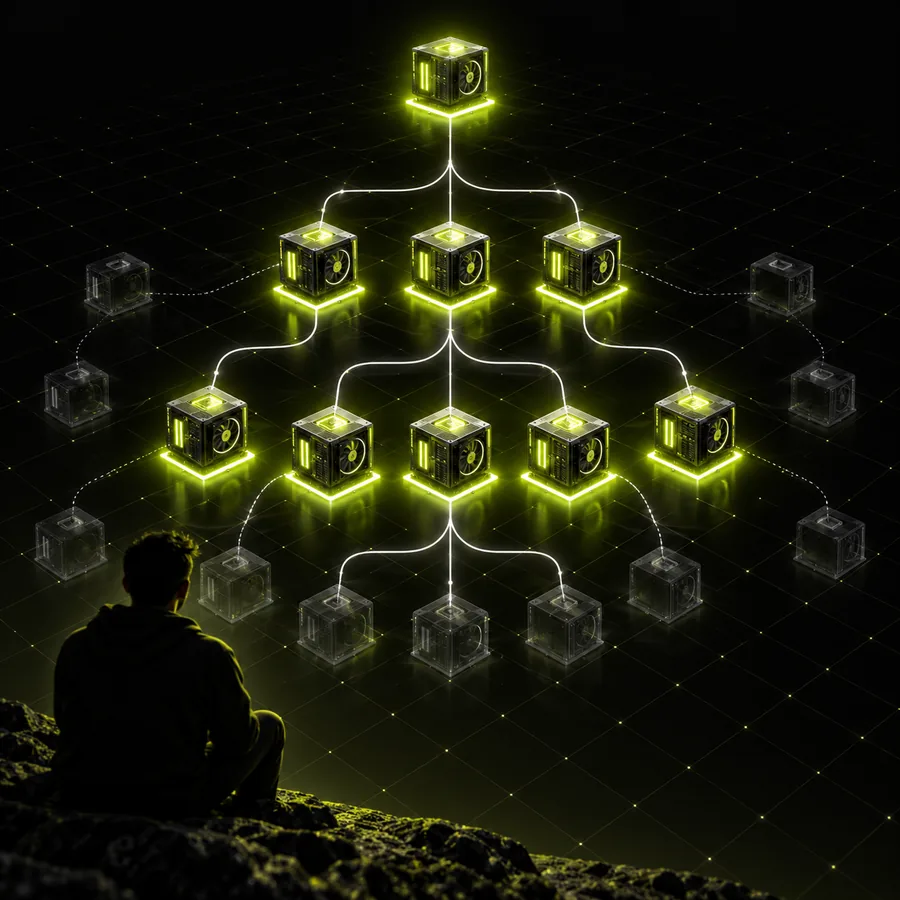
Illustration of remote GPU resources supporting an AI workload Infrastructure

Step 1

Compute for AI workloads

Cloud GPU infrastructure can provide computing resources for workloads that benefit from GPU acceleration. The practical benefit is access to remote hardware instead of owning and maintaining that hardware locally. Whether a particular workload is supported depends on the environment and service terms.

  • Useful for evaluating resource-intensive AI tasks
  • Still requires suitable software and workload configuration
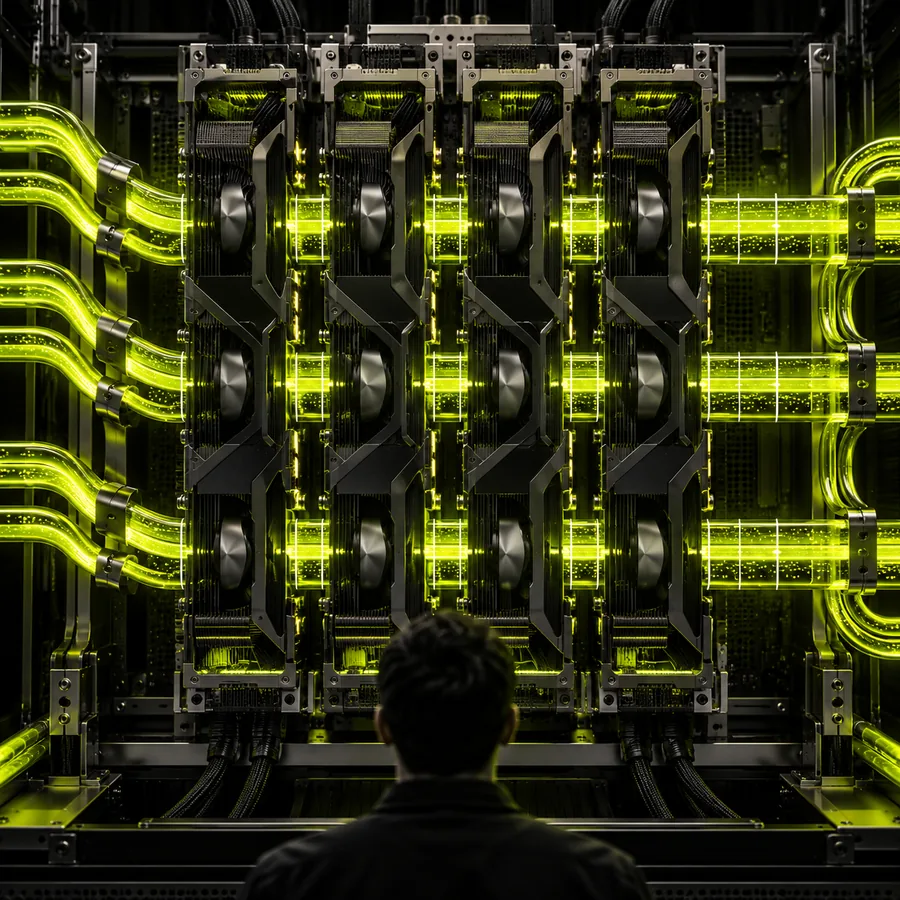
Illustration of a model workflow layered over cloud computing resources Responsibility

Step 2

A platform is not a finished model

Having GPU capacity does not mean a model is already trained, accurate, licensed for your data, or deployed for users. Teams remain responsible for choosing the software, testing results, and deciding how an application should handle failures and sensitive information.

  • Check model suitability before relying on outputs
  • Confirm current capabilities directly with the service

who uses it

The right choice depends on whether you need underlying compute, a ready-to-use AI tool, or hardware you control yourself.

or

Option 1

You build or operate AI workloads

Consider cloud GPU infrastructure.

A remote computing environment may suit experiments, inference, or deployment when your team can configure and evaluate the software it runs.

or

Option 2

You want a result from an AI tool

Consider a task-focused application.

A finished tool may be a better starting point if you do not need to manage models, environments, and compute resources.

or

Option 3

You need direct control of physical equipment

Evaluate locally managed GPUs.

Owning hardware changes the maintenance, capacity, and operational trade-offs; it is not the same decision as choosing a cloud service.

Limits worth checking

1

No universal feature list

A general definition cannot confirm which GPUs, regions, models, or deployment methods are currently offered.

What to do instead

Check the provider's current documentation for the specific capability your workload needs.

2

No guaranteed outcome

Access to computing resources alone cannot establish model accuracy, output quality, or acceptable performance.

What to do instead

Test a representative workload and evaluate its results against your own criteria.

3

No automatic data approval

Infrastructure availability does not establish whether your data may be uploaded or processed under your obligations.

What to do instead

Review data handling requirements and applicable service terms before submitting sensitive inputs.

Explore a separate model API option

If managing GPU infrastructure is not your goal, the link opens Synexa, a separate hosted model API. Check its live model catalog, account requirements, and prices; it is not a GMI Cloud account or a continuation of this guide.

Start with the outcome you need

  • Define your task before choosing a tool.
  • Check available capabilities at the destination.
Explore AI tools

its own FAQ

GMI Cloud is associated with cloud GPU infrastructure for AI workloads. In practical terms, cloud infrastructure provides a remote place to run computing tasks; it does not by itself supply a finished, validated AI application.

A GPU is a processor, while a cloud service provides access to computing resources and an environment for using them. GMI Cloud refers to the service side of that distinction, rather than a single physical processor.

Computing capacity and model creation are different things. A team still needs an appropriate model or training process, suitable data, software configuration, and a way to assess the results.

It may be relevant to developers or teams planning GPU-intensive AI work without operating all the hardware themselves. Someone who only needs a finished output may be better served by a task-focused AI application.

Explore Synexa
Explore Synexa